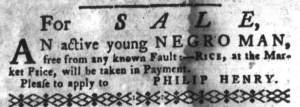
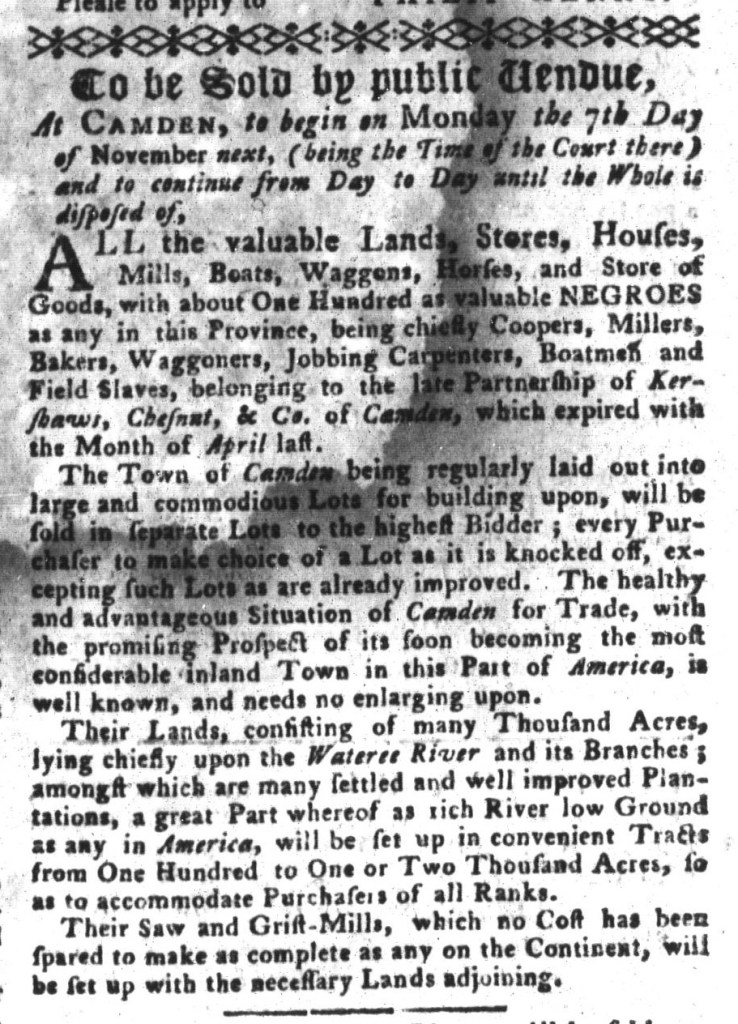
Who was the subject of an advertisement in a colonial American newspaper 250 years ago today?
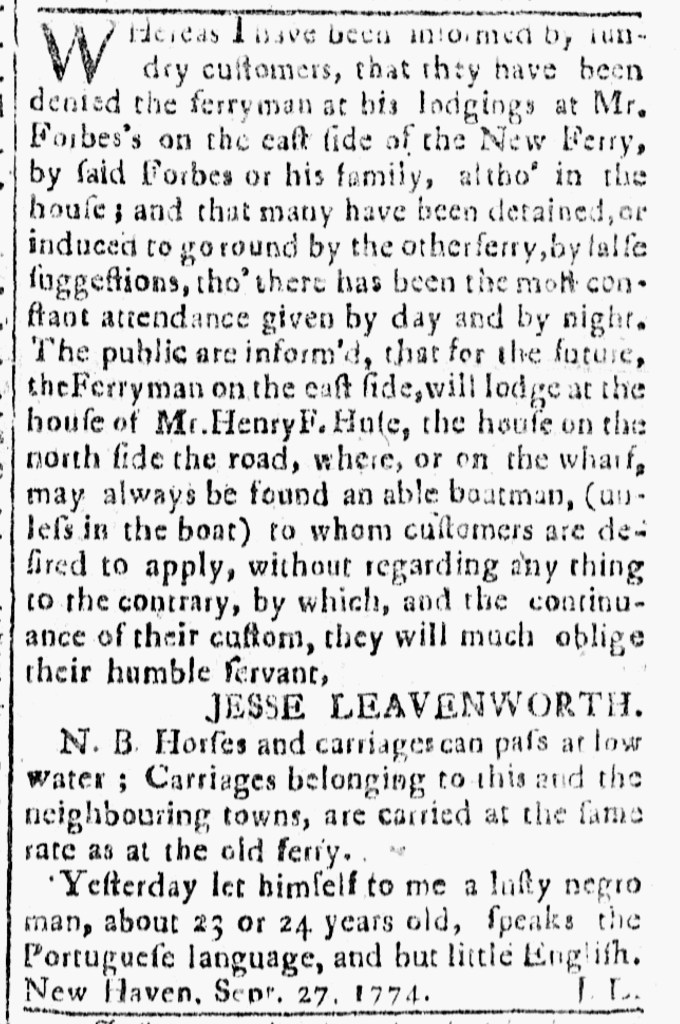
“Yesterday let himself to me a lusty negro man … speaks the Portuguese language.”
At the end of September 1774, Jesse Leavenworth placed an advertisement in the Connecticut Journal and New-Haven Post-Boy to give directions for finding and hiring “the ferryman … in the east side of the New Ferry” since there had recently been some confusion that caused frustration, inconvenience, and delays. In addition, he briefly noted, “Yesterday let himself to me a lusty negro man, about 23 or 24 years old, speaks the Portuguese language, and but little English.” In other words, Leavenworth had hired a Black man, yet he had concerns about whether that man was free to make contracts for his labor or had seized his liberty by running away from an enslaver. In the absence of evidence that the Black man was indeed a fugitive seeking freedom, Leavenworth hired him, yet he also alerted the public in case anyone had more information or was looking for a young Black man who spoke Portuguese an not much English.
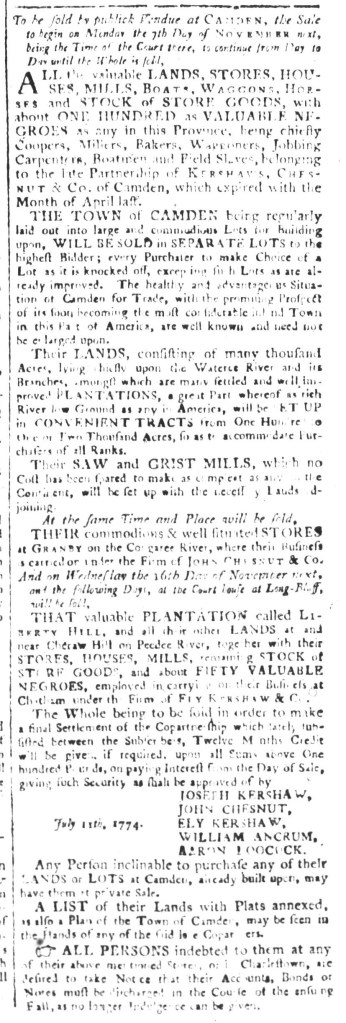
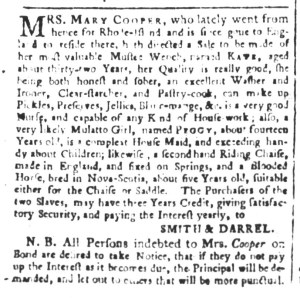
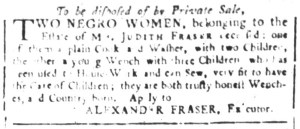
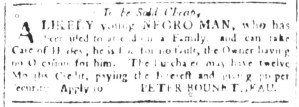
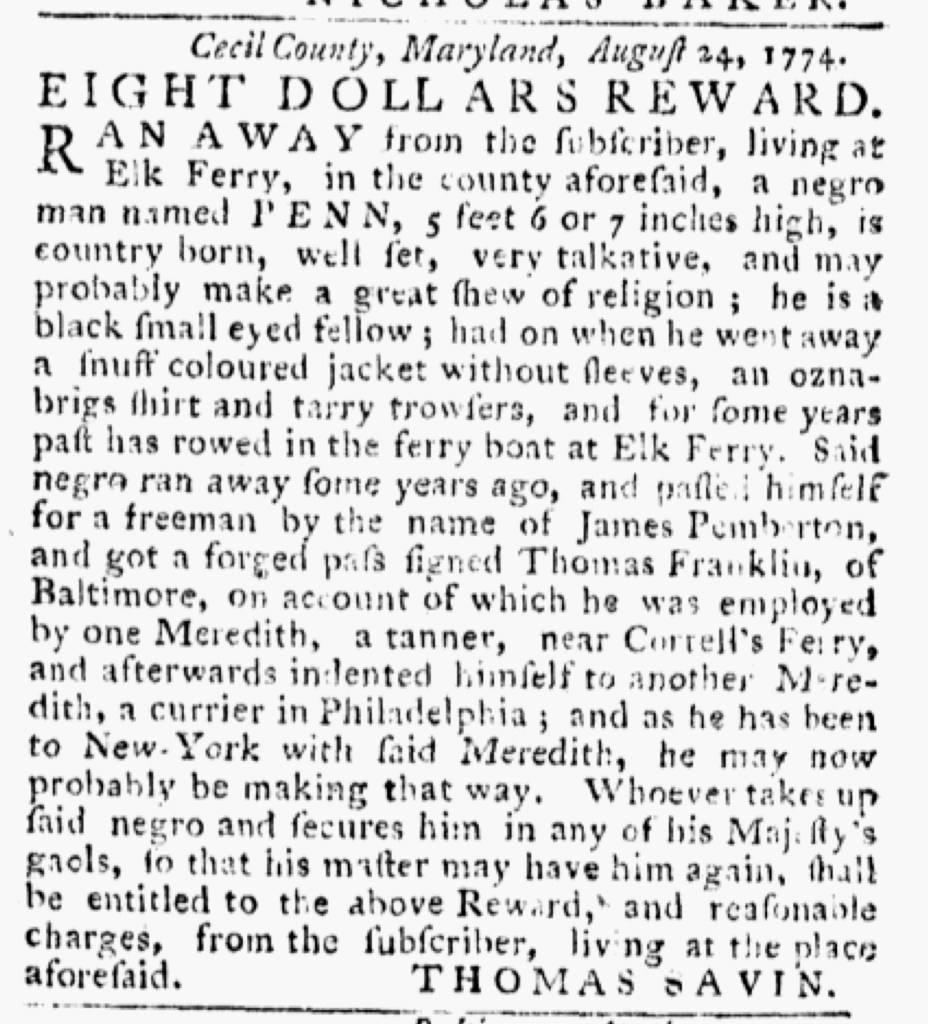
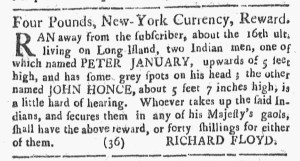
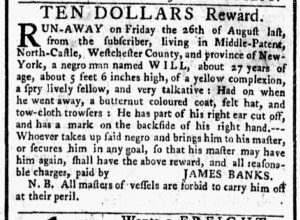
The public prints facilitated that sort of surveillance and oversight of Black people in early America, even in Connecticut and other colonies in New England. Elsewhere in the same issue of the Connecticut Journal, William Smith ran an advertisement that described “a MOLATTO SLAVE, half Negro and half Indian, named DICK” who “RANAWAY from … the South Side of Long-Island” in late August. Dick did not depart alone. An “INDIAN FELLOW, named JOE,” accompanied him, fleeing from Nathaniel Woodhull, though Smith did not specify if Joe was indentured or enslaved. Apparently, he was not free because Smith offered a reward to anyone who “secures him or them in any of his Majesty’s Gaols, or shall bring one or both of them to their Masters.”
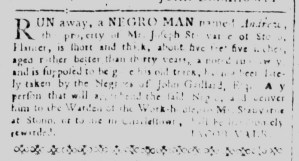
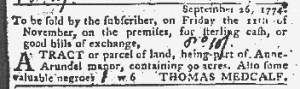
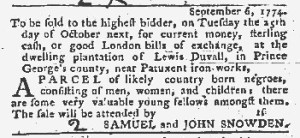
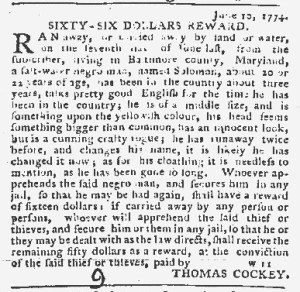
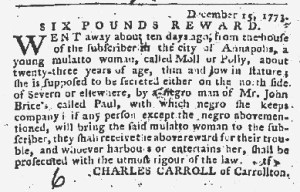
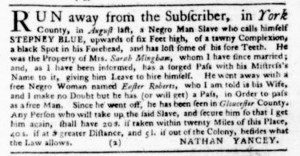
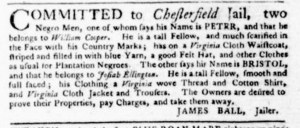
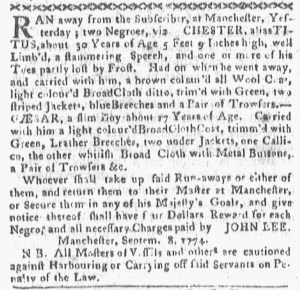
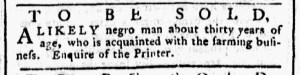
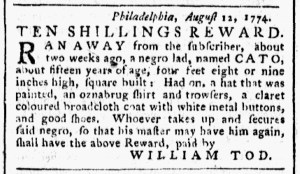
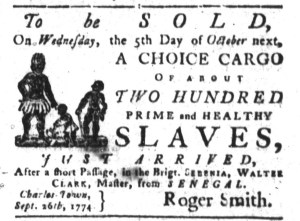
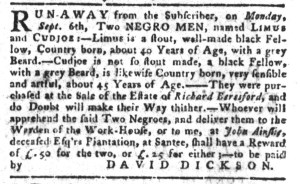
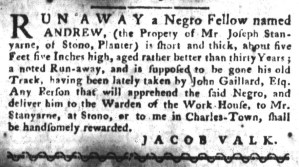
Leavenworth could have taken similar action, delivering the unnamed Black man to the jail in New Haven and placing an advertisement for his enslaver to claim him. Such advertisements appeared with regularity, most often in southern colonies and occasionally in New England. They demonstrated the precariousness of living their everyday lives that Black people, including free Black men and women, faced since they could be imprisoned solely on the suspicion that they might be enslaved people who escaped from their enslavers. Although Leavenworth chose to hire rather than imprison the young Black man who spoke Portuguese, his simultaneous decision to make an announcement in the newspaper also testified to the level of suspicion that Black people encountered as well as how colonizers used the power of the press to regulate them.