Historians consider Thomas Paine’s Common Sense, published anonymously on January 9, 1776, the most influential political pamphlet that circulated in the colonies during the era of the American Revolution. Written in plain language accessible to readers of all backgrounds, the pamphlet made a bold case for declaring independence at a time that many colonizers still sought a redress their grievances by George III and Parliament. Paine’s pamphlet played a vital role in swaying public opinion in favor of declaring independence.
Common Sense was an eighteenth-century bestseller, though Paine wildly overestimated how many copies were published, claiming 150,000 circulated in 1776, and historians later made even more dubious claims that American printing presses produced as many as 500,000 copies. Contrary to those exaggerations, American printers most likely published between 35,000 and 50,000 copies in 1776. Scholars have identified twenty-five American editions, more than twice as many as any other American book or pamphlet published in the eighteenth century.
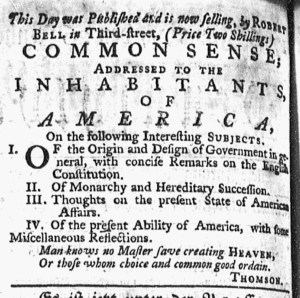
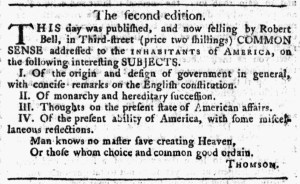
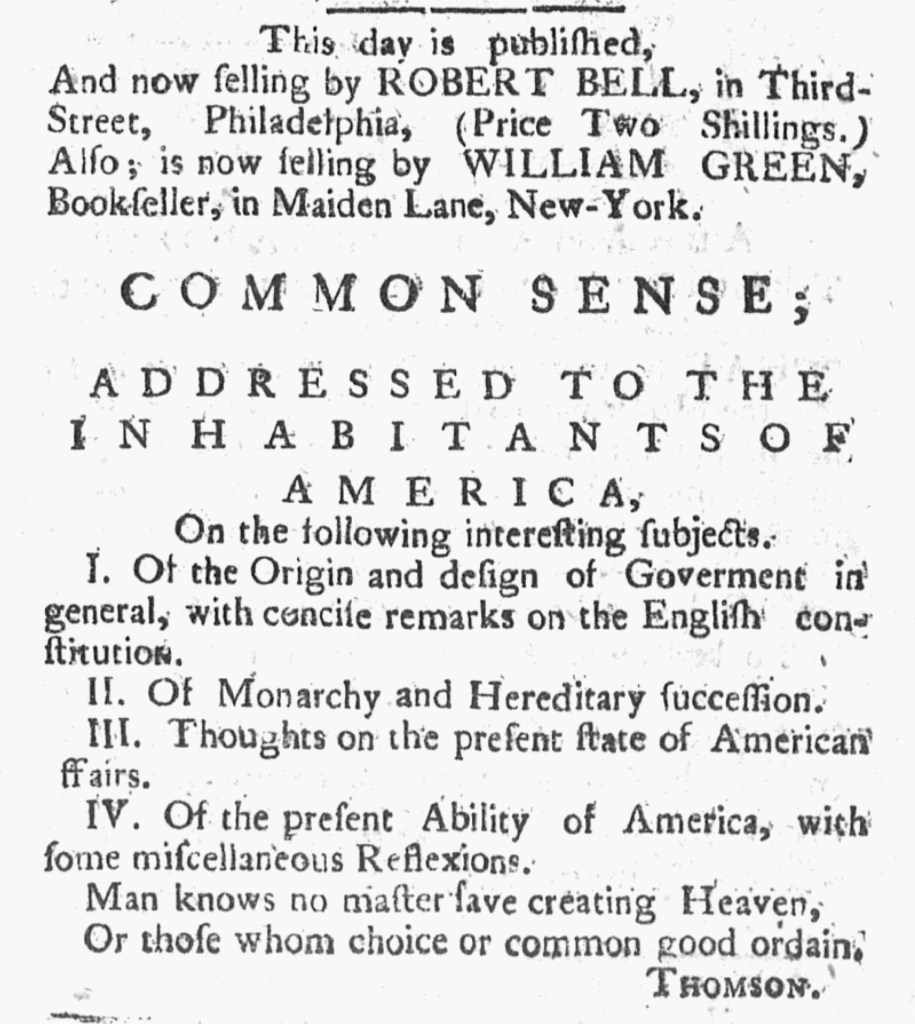
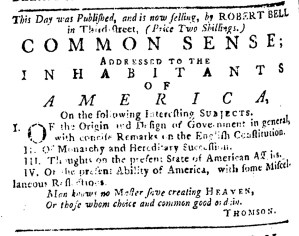
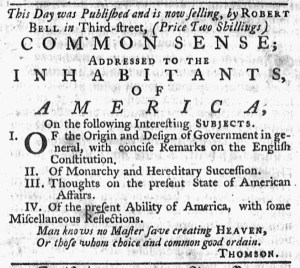
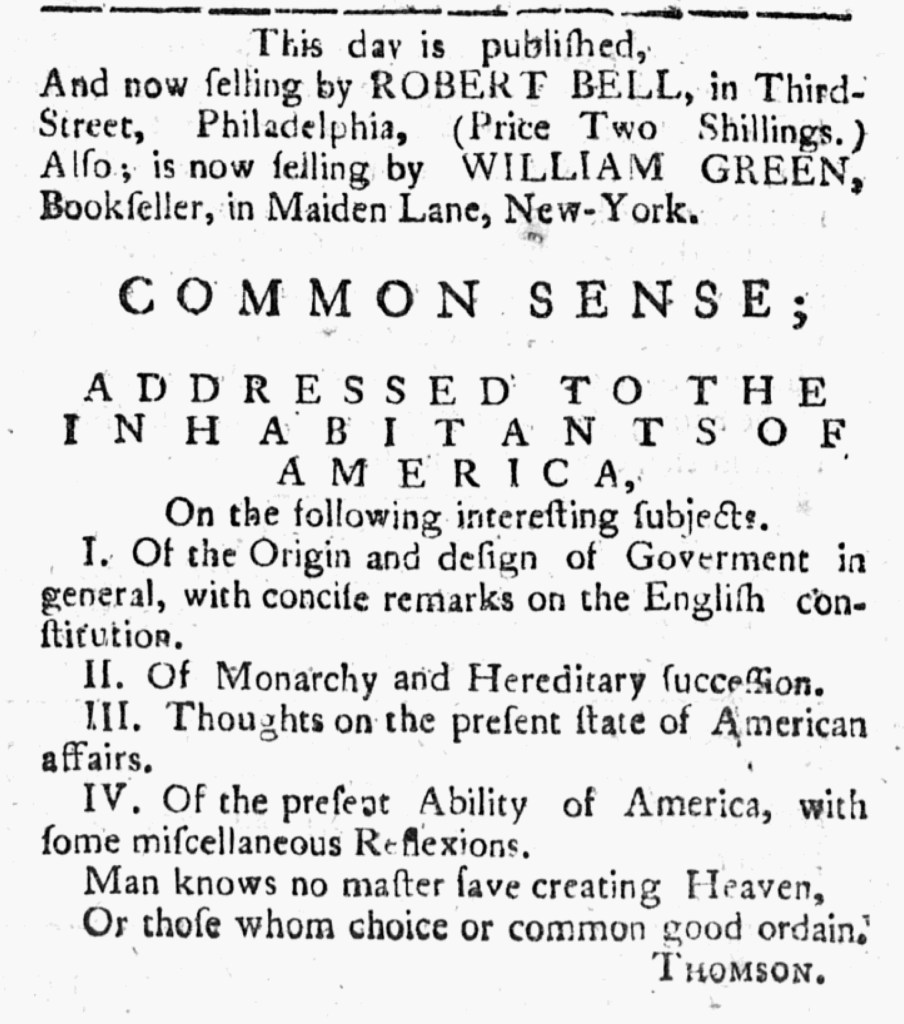
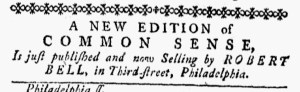
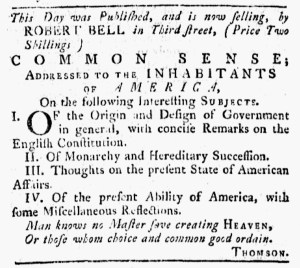
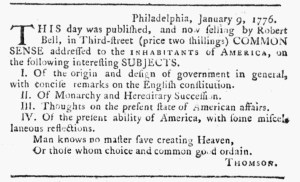
Colonizers certainly discussed Paine’s pamphlet … and printers, booksellers, and others advertised it widely. As a special feature, the Adverts 250 Projectchronicles those advertisements, starting with newspaper notices for Robert Bell’s first edition published in Philadelphia and then subsequent advertisements for that and other editions published and sold throughout the colonies.
These advertisements for Common Sense appeared in American newspapers 250 years ago today.
Historians consider Thomas Paine’s Common Sense, published anonymously on January 9, 1776, the most influential political pamphlet that circulated in the colonies during the era of the American Revolution. Written in plain language accessible to readers of all backgrounds, the pamphlet made a bold case for declaring independence at a time that many colonizers still sought a redress their grievances by George III and Parliament. Paine’s pamphlet played a vital role in swaying public opinion in favor of declaring independence.
Common Sense was an eighteenth-century bestseller, though Paine wildly overestimated how many copies were published, claiming 150,000 circulated in 1776, and historians later made even more dubious claims that American printing presses produced as many as 500,000 copies. Contrary to those exaggerations, American printers most likely published between 35,000 and 50,000 copies in 1776. Scholars have identified twenty-five American editions, more than twice as many as any other American book or pamphlet published in the eighteenth century.
Colonizers certainly discussed Paine’s pamphlet … and printers, booksellers, and others advertised it widely. As a special feature, the Adverts 250 Projectchronicles those advertisements, starting with newspaper notices for Robert Bell’s first edition published in Philadelphia and then subsequent advertisements for that and other editions published and sold throughout the colonies.
These advertisements for Common Sense appeared in American newspapers 250 years ago today.
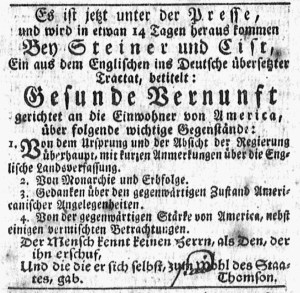
Henrich Millers Pennsylvanischer Staatsbote (January 26, 1776).
**********
Henrich Millers Pennsylvanischer Staatsbote (January 26, 1776).
Historians consider Thomas Paine’s Common Sense, published anonymously on January 9, 1776, the most influential political pamphlet that circulated in the colonies during the era of the American Revolution. Written in plain language accessible to readers of all backgrounds, the pamphlet made a bold case for declaring independence at a time that many colonizers still sought a redress their grievances by George III and Parliament. Paine’s pamphlet played a vital role in swaying public opinion in favor of declaring independence.
Common Sense was an eighteenth-century bestseller, though Paine wildly overestimated how many copies were published, claiming 150,000 circulated in 1776, and historians later made even more dubious claims that American printing presses produced as many as 500,000 copies. Contrary to those exaggerations, American printers most likely published between 35,000 and 50,000 copies in 1776. Scholars have identified twenty-five American editions, more than twice as many as any other American book or pamphlet published in the eighteenth century.
Colonizers certainly discussed Paine’s pamphlet … and printers, booksellers, and others advertised it widely. As a special feature, the Adverts 250 Projectchronicles those advertisements, starting with newspaper notices for Robert Bell’s first edition published in Philadelphia and then subsequent advertisements for that and other editions published and sold throughout the colonies.
These advertisements for Common Sense appeared in American newspapers 250 years ago today.
Historians consider Thomas Paine’s Common Sense, published anonymously on January 9, 1776, the most influential political pamphlet that circulated in the colonies during the era of the American Revolution. Written in plain language accessible to readers of all backgrounds, the pamphlet made a bold case for declaring independence at a time that many colonizers still sought a redress their grievances by George III and Parliament. Paine’s pamphlet played a vital role in swaying public opinion in favor of declaring independence.
Common Sense was an eighteenth-century bestseller, though Paine wildly overestimated how many copies were published, claiming 150,000 circulated in 1776, and historians later made even more dubious claims that American printing presses produced as many as 500,000 copies. Contrary to those exaggerations, American printers most likely published between 35,000 and 50,000 copies in 1776. Scholars have identified twenty-five American editions, more than twice as many as any other American book or pamphlet published in the eighteenth century.
Colonizers certainly discussed Paine’s pamphlet … and printers, booksellers, and others advertised it widely. As a special feature, the Adverts 250 Projectchronicles those advertisements, starting with newspaper notices for Robert Bell’s first edition published in Philadelphia and then subsequent advertisements for that and other editions published and sold throughout the colonies.
These advertisements for Common Sense appeared in American newspapers 250 years ago today.
Historians consider Thomas Paine’s Common Sense, published anonymously on January 9, 1776, the most influential political pamphlet that circulated in the colonies during the era of the American Revolution. Written in plain language accessible to readers of all backgrounds, the pamphlet made a bold case for declaring independence at a time that many colonizers still sought a redress their grievances by George III and Parliament. Paine’s pamphlet played a vital role in swaying public opinion in favor of declaring independence.
Common Sense was an eighteenth-century bestseller, though Paine wildly overestimated how many copies were published, claiming 150,000 circulated in 1776, and historians later made even more dubious claims that American printing presses produced as many as 500,000 copies. Contrary to those exaggerations, American printers most likely published between 35,000 and 50,000 copies in 1776. Scholars have identified twenty-five American editions, more than twice as many as any other American book or pamphlet published in the eighteenth century.
Colonizers certainly discussed Paine’s pamphlet … and printers, booksellers, and others advertised it widely. As a special feature, the Adverts 250 Projectchronicles those advertisements, starting with newspaper notices for Robert Bell’s first edition published in Philadelphia and then subsequent advertisements for that and other editions published and sold throughout the colonies.
These advertisements for Common Sense appeared in American newspapers 250 years ago today.
Henrich Millers Pennsylvanischer Staatsbote (January 23, 1776).
**********
Henrich Millers Pennsylvanischer Staatsbote (January 23, 1776).
Historians consider Thomas Paine’s Common Sense, published anonymously on January 9, 1776, the most influential political pamphlet that circulated in the colonies during the era of the American Revolution. Written in plain language accessible to readers of all backgrounds, the pamphlet made a bold case for declaring independence at a time that many colonizers still sought a redress their grievances by George III and Parliament. Paine’s pamphlet played a vital role in swaying public opinion in favor of declaring independence.
Common Sense was an eighteenth-century bestseller, though Paine wildly overestimated how many copies were published, claiming 150,000 circulated in 1776, and historians later made even more dubious claims that American printing presses produced as many as 500,000 copies. Contrary to those exaggerations, American printers most likely published between 35,000 and 50,000 copies in 1776. Scholars have identified twenty-five American editions, more than twice as many as any other American book or pamphlet published in the eighteenth century.
Colonizers certainly discussed Paine’s pamphlet … and printers, booksellers, and others advertised it widely. As a special feature, the Adverts 250 Projectchronicles those advertisements, starting with newspaper notices for Robert Bell’s first edition published in Philadelphia and then subsequent advertisements for that and other editions published and sold throughout the colonies.
These advertisements for Common Sense appeared in American newspapers 250 years ago today.
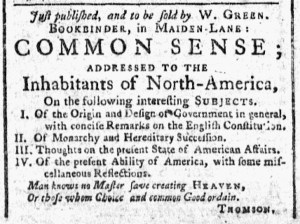
New-York Gazette and Weekly Mercury (January 22, 1776).
Historians consider Thomas Paine’s Common Sense, published anonymously on January 9, 1776, the most influential political pamphlet that circulated in the colonies during the era of the American Revolution. Written in plain language accessible to readers of all backgrounds, the pamphlet made a bold case for declaring independence at a time that many colonizers still sought a redress their grievances by George III and Parliament. Paine’s pamphlet played a vital role in swaying public opinion in favor of declaring independence.
Common Sense was an eighteenth-century bestseller, though Paine wildly overestimated how many copies were published, claiming 150,000 circulated in 1776, and historians later made even more dubious claims that American printing presses produced as many as 500,000 copies. Contrary to those exaggerations, American printers most likely published between 35,000 and 50,000 copies in 1776. Scholars have identified twenty-five American editions, more than twice as many as any other American book or pamphlet published in the eighteenth century.
Colonizers certainly discussed Paine’s pamphlet … and printers, booksellers, and others advertised it widely. As a special feature, the Adverts 250 Projectchronicles those advertisements, starting with newspaper notices for Robert Bell’s first edition published in Philadelphia and then subsequent advertisements for that and other editions published and sold throughout the colonies.
These advertisements for Common Sense appeared in American newspapers 250 years ago today.
Isaiah Thomas, patriot printer and founder of the American Antiquarian Society, was born on January 19 (New Style) in 1749 (or January 8, 1748/49, Old Style). It’s quite an historical coincidence that the three most significant printers in eighteenth-century America — Benjamin Franklin, Isaiah Thomas, and Mathew Carey — were all born in January.
Isaiah Thomas (January 30, 1739 – April 4, 1831). American Antiquarian Society.
The Adverts 250 Project is possible in large part due to Thomas’s efforts to collect as much early American printed material as he could, originally to write his monumental History of Printing in America. The newspapers, broadsides, books, almanacs, pamphlets, and other items he gathered in the process eventually became the initial collections of the American Antiquarian Society. That institution’s ongoing mission to acquire at least one copy of every American imprint through 1876 has yielded an impressive collection of eighteenth-century advertising materials, including newspapers, magazine wrappers, trade cards, billheads, watch papers, book catalogs, subscription notices, broadsides, and a variety of other items. Exploring the history of advertising in early America — indeed, exploring any topic related to the history, culture, and literature of early America at all — has been facilitated for more than two centuries by the vision of Isaiah Thomas and the dedication of the curators and other specialists at the American Antiquarian Society over the years.
Thomas’s connections to early American advertising were not limited to collecting and preserving the items created on American presses during the colonial, Revolutionary, and early national periods. Like Mathew Carey, he was at the hub of a network he cultivated for distributing newspapers, books, and other printed goods — including advertising to stimulate demand for those items. Sometimes this advertising was intended for dissemination to the general public (such as book catalogs and subscription notices), but other times it amounted to trade advertising (such as circular letters and exchange catalogs intended only for fellow printers, publishers, and booksellers).
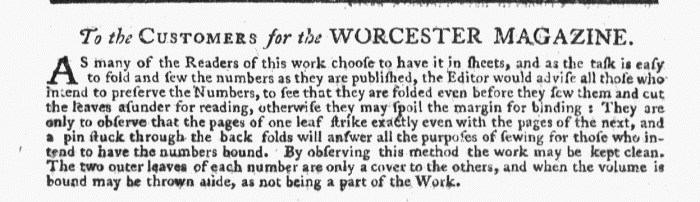
Thomas also experimented with advertising on wrappers that accompanied his Worcester Magazine, though he acknowledged to subscribers that these wrappers were ancillary to the publication: “The two outer leaves of each number are only a cover to the others, and when the volume is bound may be thrown aside, as not being a part of the Work.”[1]
Detail of Advertising Wrapper, Worcester Magazine (Second Week of April, 1786).
Thomas’s patriotic commitment to freedom of the press played a significant role in his decision to develop advertising wrappers. As Thomas relays in his History of Printing in America, he discontinued printing his newspaper, the Massachusetts Spy, after the state legislature passed a law that “laid a duty of two-thirds of a penny on newspapers, and a penny on almanacs, which were to be stamped.” Such a move met with strong protest since it was too reminiscent of the Stamp Act imposed by the British two decades earlier, prompting the legislature to repeal it before it went into effect. On its heels, however, “another act was passed, which imposed a duty on all advertisements inserted in the newspapers” printed in Massachusetts. Thomas vehemently rejected this law as “an improper restraint on the press. He, therefore, discontinued the Spy during the period that this act was in force, which was two years. But he published as a substitute a periodical work, entitled ‘The Worcester Weekly Magazine,’ in octavo.”[2] This weekly magazine lasted for two years; Thomas discontinued it and once again began printing the Spy after the legislature repealed the objectionable act.
Third Page of Advertising Wrapper, Worcester Magazine (Fourth Week of May, 1786).
Isaiah Thomas was not interested in advertising for its own sake to the same extent as Mathew Carey, but his political concerns did help to shape the landscape of early American advertising. Furthermore, his vision for collecting American printed material preserved a variety of advertising media for later generations to admire, analyze, ponder, and enjoy. Happy 277th birthday, Isaiah Thomas!
**********
[1] Isaiah Thomas, “To the CUSTOMERS for the WORCESTER MAGAZINE,” Worcester Magazine, wrapper, second week of April, 1786.
[2] Isaiah Thomas, The History of Printing in America: With a Biography of Printers, and an Account of Newspapers, vol. 2 (Worcester, MA: Isaac Sturtevant, 1810), 267-268.
Historians consider Thomas Paine’s Common Sense, published anonymously on January 9, 1776, the most influential political pamphlet that circulated in the colonies during the era of the American Revolution. Written in plain language accessible to readers of all backgrounds, the pamphlet made a bold case for declaring independence at a time that many colonizers still sought a redress their grievances by George III and Parliament. Paine’s pamphlet played a vital role in swaying public opinion in favor of declaring independence.
Common Sense was an eighteenth-century bestseller, though Paine wildly overestimated how many copies were published, claiming 150,000 circulated in 1776, and historians later made even more dubious claims that American printing presses produced as many as 500,000 copies. Contrary to those exaggerations, American printers most likely published between 35,000 and 50,000 copies in 1776. Scholars have identified twenty-five American editions, more than twice as many as any other American book or pamphlet published in the eighteenth century.
Colonizers certainly discussed Paine’s pamphlet … and printers, booksellers, and others advertised it widely. As a special feature, the Adverts 250 Projectchronicles those advertisements, starting with newspaper notices for Robert Bell’s first edition published in Philadelphia and then subsequent advertisements for that and other editions published and sold throughout the colonies.
These advertisements for Common Sense appeared in American newspapers 250 years ago today.
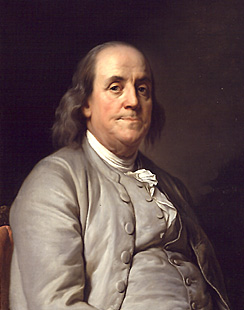
Today is an important day for specialists in early American print culture, for Benjamin Franklin was born on January 17, 1706 (January 6, 1705, Old Style), in Boston. Among his many other accomplishments, Franklin is known as the “Father of American Advertising.” Although I have argued elsewhere that this title should more accurately be bestowed upon Mathew Carey (in my view more prolific and innovative in the realm of advertising as a printer, publisher, and advocate of marketing), I recognize that Franklin deserves credit as well. Franklin is often known as “The First American,” so it not surprising that others should rank him first among the founders of advertising in America.
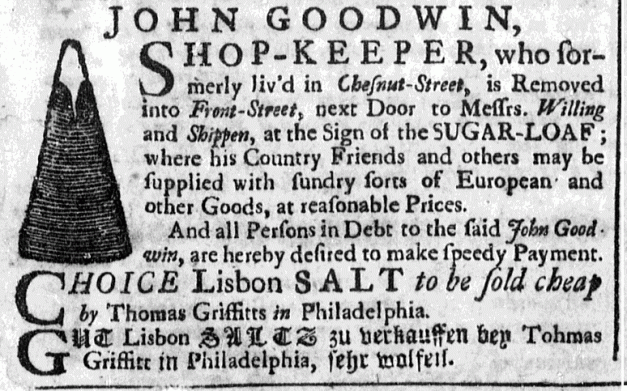
Franklin purchased the Pennsylvania Gazette in 1729. In the wake of becoming printer, he experimented with the visual layout of advertisements that appeared in the weekly newspaper, incorporating significantly more white space and varying font sizes in order to better attract readers’ and potential customers’ attention. Advertising flourished in the Pennsylvania Gazette, which expanded from two to four pages in part to accommodate the greater number of commercial notices.
Advertisements with white space, varying sizes of font, capitals and italics, and a woodcut from Benjamin Franklin’s Pennsylvania Gazette (December 9-16, 1736).
Many historians of the press and print culture in early America have noted that Franklin became wealthy and retired as a printer in favor of a multitude of other pursuits in part because of the revenue he collected from advertising. Others, especially David Waldstreicher, have underscored that this wealth was amassed through participation in the colonial slave trade. The advertisements for goods and services featured in the Pennsylvania Gazette included announcements about buying and selling enslaved men, women, and children as well as notices offering rewards for those who escaped from bondage.
Advertisement for an enslaved woman and an enslaved child from Benjamin Franklin’s Pennsylvania Gazette (December 9-16, 1736).
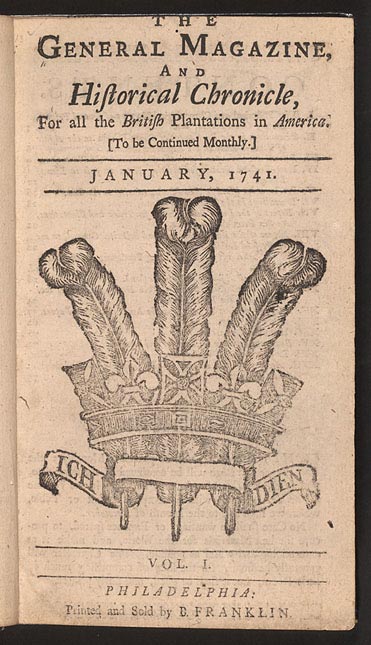
In 1741 Franklin published one of colonial America’s first magazines, The General Magazine and Historical Chronicle, for all the British Plantations in America (which barely missed out on being the first American magazine, a distinction earned by Franklin’s competitor, Andrew Bradford, with The American Magazineor Monthly View of the Political State of the British Colonies). The magazine lasted only a handful of issues, but that was sufficient for Franklin to become the first American printer to include an advertisement in a magazine (though advertising did not become a standard part of magazine publication until special advertising wrappers were developed later in the century — and Mathew Carey was unarguably the master of that medium).
General Magazine and Historical Chronicle, For all the British Plantations in America (January 1741). Library of Congress.
In 1744 Franklin published an octavo-sized Catalogue of Choice and Valuable Books, including 445 entries. This is the first known American book catalogue aimed at consumers (though the Library Company of Philadelphia previously published catalogs listing their holdings in 1733, 1735, and 1741). Later that same year, Franklin printed a Catalogue of Books to Be Sold at Auction.
Franklin pursued advertising through many media in eighteenth-century America, earning recognition as one of the founders of American advertising. Happy 320th birthday, Benjamin Franklin!